MMF Ratna Memorial Hospital

Author: MMF Ratna Memorial Hospital

MMF Ratna Memorial Hospital

Urologist diagnosing recurrent kidney stones in Pune

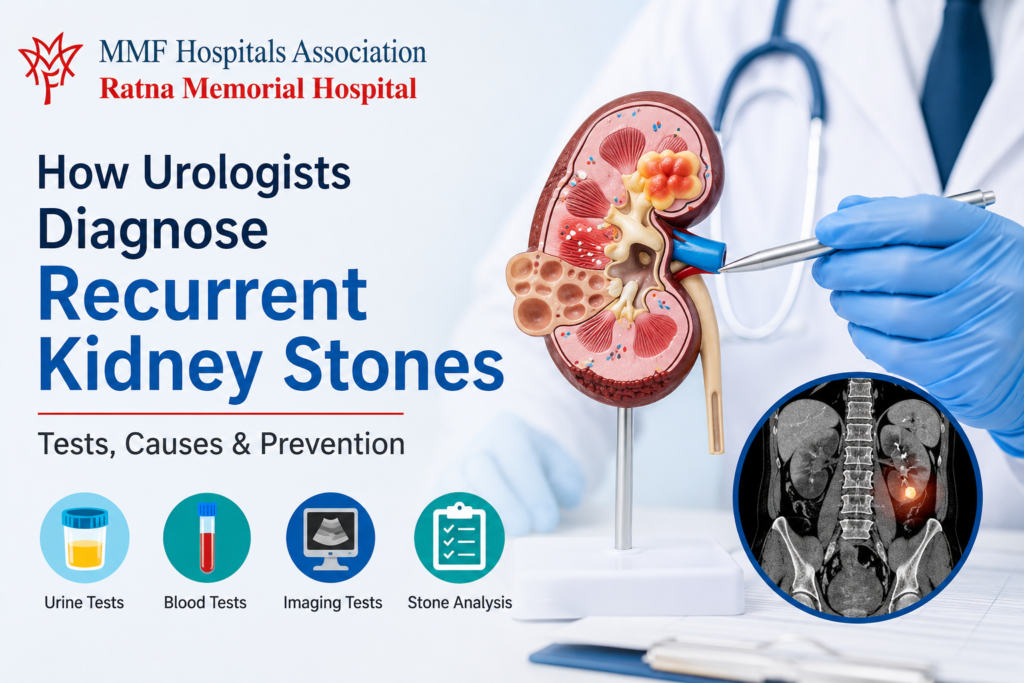
How Urologists Diagnose Recurrent Kidney Stones

Understanding Stone Evaluation at a Trusted Urology Hospital in Pune Passing or removing a kidney stone can bring immediate relief, but it does not always solve the underlying problem. Some people develop another stone within months or years because the factors responsible for stone formation are still present. Recurrent kidney stones require more than a scan to confirm their location. A urologist investigates why the stones are returning, identifies their composition and assesses whether a medical condition, dietary pattern, urinary abnormality or anatomical problem is contributing to their formation. At Ratna Memorial Hospital, patients with recurring stones can receive a detailed evaluation to guide treatment and long-term prevention. Consulting a qualified urologist in Pune is particularly important when stones return repeatedly, occur in both kidneys or are associated with infection, obstruction or declining kidney function. What Are Recurrent Kidney Stones? Recurrent kidney stones are stones that form again after a previous stone has passed naturally or been removed through treatment. A person may develop the same type of stone repeatedly or experience stones with a different composition. The most common types include: Calcium oxalate stones Calcium phosphate stones Uric acid stones Infection-related struvite stones Cystine stones caused by an inherited condition The type of stone matters because each one has different risk factors and may require a different prevention strategy. For example, advice that helps prevent a uric acid stone may not be sufficient for someone forming infection-related stones. A previous stone episode is itself an important risk factor for another episode. Therefore, recurrent stones should not be treated as isolated events without investigating the cause. Why Do Kidney Stones Keep Returning? Kidney stones form when certain substances become highly concentrated in the urine. These substances may crystallise, gradually grow and form a stone. Low urine volume is a common contributor, but recurrence can have several causes. Possible risk factors include inadequate fluid intake, excessive dietary salt, a high intake of certain animal proteins, obesity, recurrent urinary infections and a family history of stones. Some people absorb or excrete unusually high amounts of calcium, oxalate, uric acid or cystine. Certain medical conditions may also raise the risk. These include overactive parathyroid glands, gout, inflammatory bowel disease, chronic diarrhoea and disorders affecting the way nutrients are absorbed. Previous intestinal or weight loss surgery can alter oxalate absorption in some patients. The evaluation conducted by a urologist in Pune is intended to separate occasional lifestyle-related risk from an ongoing metabolic, infectious or structural cause. The First Step: A Detailed Medical History The diagnostic process usually begins with a detailed conversation. The urologist in pune asks about previous stone episodes, treatments, infections and relevant health conditions. Important information may include: The age at which the first stone developed The number and frequency of stone episodes Whether stones occurred in one or both kidneys Previous procedures such as ureteroscopy, RIRS, ESWL or PCNL Family history of kidney stones Daily fluid intake and dietary habits Regular medicines and nutritional supplements History of gout, bowel disease, urinary infections or endocrine disorders Patients should bring their previous scan reports, laboratory results, discharge summaries and stone analysis reports to the consultation whenever possible. Comparing current and older scans can help the doctor understand how quickly new stones are developing. Physical Examination and Symptom Assessment A physical examination may not reveal a small kidney stone directly, but it helps assess the patient’s general condition and identify possible complications. The urologist will ask about flank or back pain, painful urination, blood in the urine, nausea, fever and changes in urinary frequency. Fever with chills, severe pain, vomiting or difficulty passing urine may indicate obstruction or infection and can require urgent medical attention. Blood pressure, hydration status and tenderness around the kidney area may also be evaluated. The findings help determine which investigations should be performed and how urgently treatment is needed. Urine Tests for Recurrent Kidney Stones A routine urine test can provide valuable information about stone formation. It may detect blood, crystals, infection, urine acidity and other abnormalities. A urine culture may be ordered if infection is suspected. This test identifies the bacteria responsible and helps the doctor select an appropriate antibiotic. Recurrent infection is especially relevant because certain bacteria can encourage the formation of struvite stones. Urine pH is another important finding. Persistently acidic urine may encourage uric acid stones, while highly alkaline urine can be associated with certain calcium phosphate or infection-related stones. However, a single urine sample offers only a snapshot. Patients with repeated stones may require a more detailed metabolic evaluation. Why Is a 24-Hour Urine Test Important? A 24-hour urine test measures everything passed in the urine over an entire day. It can reveal abnormalities that may not appear in a routine sample. The test may measure: Total urine volume Calcium Oxalate Uric acid Citrate Sodium Creatinine Urine pH Low citrate can increase stone risk because citrate naturally helps prevent crystals from joining together. High urinary calcium, oxalate or uric acid can also encourage stone formation. A high sodium result may indicate excessive salt intake, which can increase calcium loss into the urine. The results allow the urologist to provide personalised advice instead of giving every patient the same restrictive diet. In some cases, two separate 24-hour collections may be recommended to obtain a more reliable picture of the patient’s usual urine chemistry. Blood Tests Used in Stone Evaluation Blood tests help assess kidney function and identify metabolic conditions that may be contributing to recurrence. Tests may include kidney function parameters such as serum creatinine, along with calcium, uric acid, electrolytes and bicarbonate. If the blood calcium level is elevated, the doctor may investigate parathyroid hormone levels to check for an overactive parathyroid gland. These investigations are particularly important when stones occur frequently, begin at a young age, affect both kidneys or are accompanied by reduced kidney function. Imaging Tests Used to Locate Kidney Stones Imaging shows the number, size and location of stones. It can also reveal urinary obstruction, swelling of the

How Urologists Diagnose Recurrent Kidney Stones Read More »
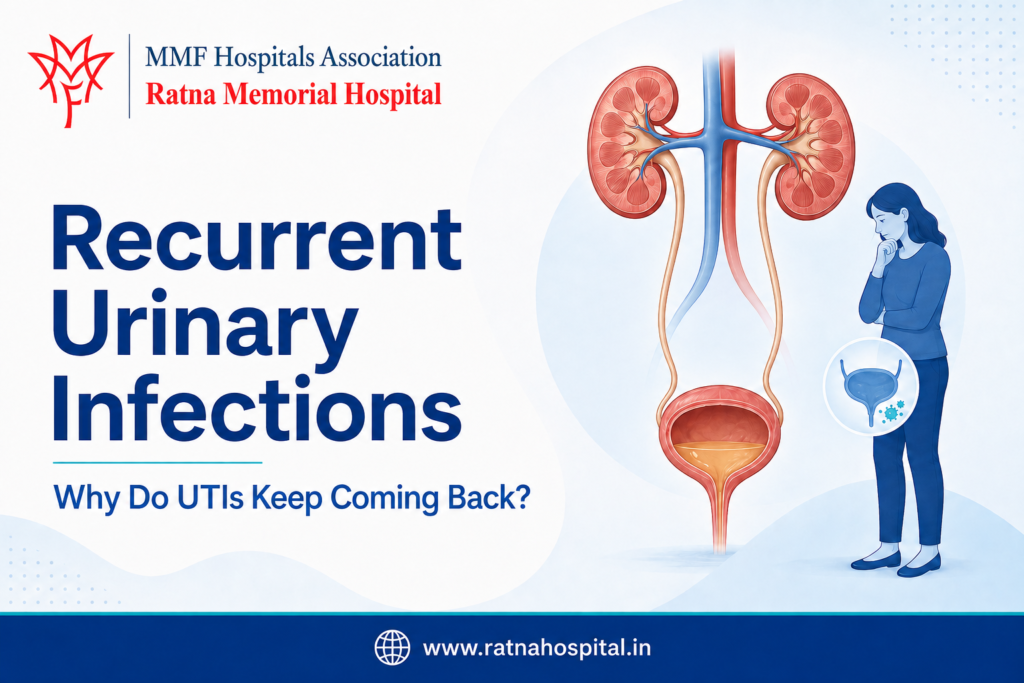
Recurrent urinary infections treatment at Ratna Memorial Hospital Pune

Recurrent Urinary Infections: Why Do UTIs Keep Coming Back?

Understanding the Causes, Diagnosis and UTI Treatment in Pune A urinary tract infection, commonly called a UTI, can cause burning during urination, frequent urges to pass urine and discomfort in the lower abdomen. Most infections improve with appropriate treatment. However, when the symptoms repeatedly return, it may indicate a recurrent urinary infection that needs a more detailed evaluation. Taking antibiotics each time without identifying the cause may provide temporary relief but may not prevent another episode. Recurrent infections can sometimes be associated with kidney stones, incomplete bladder emptying, prostate problems, diabetes or resistant bacteria. Consulting a specialist for UTI treatment in Pune can help determine why the infection is returning and establish a personalised plan to manage it safely. What Is a Recurrent Urinary Infection? A UTI develops when bacteria enter the urinary tract and multiply. The infection may affect the urethra, bladder, ureters or kidneys. According to the National Institute of Diabetes and Digestive and Kidney Diseases, bladder infections are commonly caused by bacteria and may progress to kidney infections if they are not treated appropriately. A person is generally considered to have recurrent UTIs when they experience: Two or more confirmed infections within six months Three or more infections within one year Recurrence does not always mean that the first treatment failed. It may be a relapse caused by the same bacteria or a new infection caused by a different organism. Common Symptoms of Recurrent UTIs Symptoms can vary depending on which part of the urinary tract is affected. Common warning signs include: Burning or pain while passing urine A frequent or urgent need to urinate Passing only small amounts of urine Cloudy, dark or foul smelling urine Lower abdominal or pelvic discomfort Blood in the urine Feeling tired or generally unwell Fever, chills, nausea, vomiting or pain in the back or side may indicate that the infection has reached the kidneys. These symptoms require prompt medical attention. Why Do Urinary Infections Keep Returning? There is no single cause behind every recurrent UTI. A specialist may need to evaluate several possible factors. Incomplete bladder emptying Urine remaining in the bladder can create an environment where bacteria multiply. Incomplete emptying may occur due to an enlarged prostate, bladder muscle dysfunction, nerve related conditions or an obstruction within the urinary tract. Kidney or bladder stones Urinary stones can interfere with urine flow and may provide a surface on which bacteria persist. An infection may continue to return until the stone or obstruction is appropriately managed. Antibiotic resistance Using antibiotics without a urine culture, stopping treatment too early or repeatedly taking the same medicine may allow resistant bacteria to survive. This is why self medication is not advisable. The NICE guideline on recurrent UTIs emphasises responsible antibiotic use to treat infections effectively while reducing the risk of antimicrobial resistance. Diabetes and reduced immunity Poorly controlled blood sugar can affect immune function and increase the amount of glucose in urine, making infections more likely. People with reduced immunity may also experience frequent or more complicated infections. Menopause related changes After menopause, reduced oestrogen levels can change the tissues and protective bacterial environment around the urinary tract. These changes may increase susceptibility to infection in some women. Prostate related conditions Recurrent UTIs in men may be associated with prostate enlargement, inflammation of the prostate or urinary obstruction. Since UTIs are less common in men, repeated episodes generally require proper urological assessment. Other contributing factors may include low fluid intake, delaying urination for long periods, urinary catheter use, pregnancy, structural abnormalities and infection associated with intimate activity. How Are Recurrent UTIs Diagnosed? A proper diagnosis is important because burning or frequent urination is not always caused by a bacterial infection. Bladder pain syndrome, stones, overactive bladder and certain local infections may produce similar symptoms. The evaluation may include: Medical history and examination The doctor will ask about the timing of symptoms, previous infections, medicines, underlying medical conditions, urinary habits and earlier urine culture results. Urine routine examination and culture A urine test can identify signs of infection. A urine culture determines which bacteria are present and which antibiotics are likely to work. The European Association of Urology guidelines recommend urine culture when symptoms recur after treatment, fail to resolve, appear atypical or occur in people at greater risk of resistant infection. Additional investigations Depending on the individual’s symptoms and medical history, the doctor may recommend: Ultrasound of the kidneys and bladder Blood tests to assess kidney function or blood sugar Measurement of urine remaining after the bladder is emptied CT scan when stones or obstruction are suspected Cystoscopy to examine the inside of the bladder in selected cases Extensive testing is not necessary for every patient. Investigations are selected according to age, symptoms, recurrence pattern and risk factors. UTI Treatment in Pune for Recurrent Infections Treatment should address both the current infection and the reason it keeps returning. A culture guided antibiotic may be prescribed for an active bacterial infection. The choice and duration depend on the organism, previous antibiotic exposure, kidney function, pregnancy status and whether the infection is localised or has become systemic. When an underlying condition is identified, treatment may involve controlling diabetes, improving bladder emptying, treating prostate enlargement or managing kidney and bladder stones. Preventive treatment may be considered for carefully selected patients who continue to experience confirmed infections. Long term or repeated antibiotics should not be started without medical supervision. Preventive options must be discussed individually because their benefits and possible side effects vary from one patient to another. Can Recurrent UTIs Be Prevented? Some practical measures may reduce the risk of another infection: Drink an appropriate amount of water unless fluid restriction has been advised. Do not routinely delay urination for long periods. Empty the bladder completely and avoid rushing. Maintain gentle personal hygiene and avoid unnecessary harsh cleansing products. Manage diabetes and other long term medical conditions. Avoid taking leftover antibiotics or medicines suggested without testing. Follow the prescribed treatment course and return if symptoms persist.

Recurrent Urinary Infections: Why Do UTIs Keep Coming Back? Read More »

Sharp kidney pain symptoms – Kidney Stone treatment in Pune – Ratna Memorial Hospital

Sharp Pain That Comes and Goes? Your Kidneys May Need Attention

A sudden, sharp pain in your back or side can be difficult to ignore, especially when it disappears and returns without warning. Many people assume it is caused by a muscle strain, poor posture, or indigestion. However, intense pain that comes and goes in waves may sometimes indicate a kidney stone moving through the urinary tract. Kidney stones can vary considerably in size. Some remain inside the kidney without causing noticeable symptoms, while others move into the ureter, the narrow tube connecting the kidney to the bladder. When a stone obstructs urine flow or irritates the ureter, it can cause severe pain known as renal colic. Timely medical evaluation can identify the cause and help you receive appropriate Kidney Stone treatment in Pune before complications develop. Why Does Kidney Stone Pain Come and Go? Kidney stone pain is often different from ordinary back pain. It may begin suddenly, become intense and then ease temporarily before returning. This wave-like pattern occurs because the ureter contracts while trying to move the stone towards the bladder. The location of the pain may also change as the stone travels through the urinary tract. According to the National Institute of Diabetes and Digestive and Kidney Diseases, kidney stone pain may affect the back, side, lower abdomen or groin. It can last for a short or extended period and may come and go in waves. Although this pain pattern is commonly associated with kidney stones, proper testing is necessary because several abdominal, urinary and musculoskeletal conditions can produce similar symptoms. Common Signs of Kidney Stones Sharp pain is one of the most recognisable symptoms, but kidney stones may cause other urinary and digestive problems. You should watch for: Severe pain below the ribs on either side of the back Pain that moves towards the lower abdomen or groin Pain that increases and decreases in intensity Burning or discomfort while passing urine Pink, red or brown urine Frequent or urgent need to urinate Cloudy or unpleasant-smelling urine Nausea and vomiting Passing only a small amount of urine The symptoms depend on the stone’s size, location and whether it is blocking urine flow. Small stones may pass without causing noticeable discomfort, while larger or obstructing stones may require medical treatment. Is It Kidney Pain or Ordinary Back Pain? Kidney stone pain and muscular back pain can sometimes feel similar. However, there are a few general differences. Muscular pain often becomes worse with movement, bending, lifting or pressing the affected area. It may improve with rest or a change in posture. Kidney stone pain is usually deeper, more intense and commonly felt beneath the ribs or along the side of the body. It may spread towards the abdomen or groin and is often accompanied by urinary symptoms, nausea or vomiting. These differences are not enough to confirm a diagnosis. If the pain is severe, recurring or associated with changes in urination, consult a Kidney specialist in Pune for a complete evaluation. When Does Kidney Pain Require Urgent Attention? A kidney stone can become dangerous when it blocks urine drainage and infection develops behind the obstruction. Seek urgent medical care if you experience: Severe or unbearable pain Fever, chills or shivering Persistent vomiting Blood in the urine Difficulty passing urine Very little or no urine output Pain accompanied by weakness or confusion The NHS guidance on kidney stones recommends urgent medical attention for severe pain, a high temperature, chills or blood in the urine. These symptoms should not be managed only with home remedies. How Are Kidney Stones Diagnosed? A doctor begins by reviewing the location and pattern of your pain, urinary symptoms, medical history, diet and previous episodes of kidney stones. The evaluation may include: Urine tests A urine test can detect blood, infection and minerals associated with stone formation. Blood tests Blood tests may be used to assess kidney function and measure calcium, uric acid and other relevant substances. Ultrasound An ultrasound can help identify stones, urinary obstruction and swelling of the kidney without using radiation. CT scan A non-contrast CT scan may provide detailed information about the size, number and location of stones. The test selected depends on the patient’s symptoms and clinical condition. What Does Kidney Stone Treatment in Pune Involve? Treatment is selected according to the stone’s size, position, composition, symptoms and effect on kidney function. Conservative management Some small stones may pass naturally. Under medical supervision, treatment may include appropriate hydration, prescribed pain relief, medicines for nausea and medication that may help the ureter relax. Patients should not force excessive water intake during severe pain, vomiting or suspected obstruction unless advised by a doctor. Shock wave lithotripsy Shock wave lithotripsy uses externally generated energy to break selected stones into smaller pieces that can pass through the urinary tract. Ureteroscopy A thin instrument is introduced through the urinary passage to locate the stone. The stone may be removed directly or fragmented using laser energy. Percutaneous nephrolithotomy This procedure may be recommended for large or complex kidney stones. The surgeon accesses the kidney through a small incision in the back and removes the stone using specialised instruments. The most appropriate method of Kidney Stone treatment in Pune should be decided after reviewing imaging results and the patient’s overall health. Can Kidney Stones Be Prevented? Kidney stones can recur, so prevention remains important even after the pain has stopped. General preventive measures include: Drinking sufficient water throughout the day Increasing fluid intake during hot weather or physical activity Limiting excessive salt and highly processed food Avoiding unnecessary dietary supplements Maintaining a balanced intake of calcium Following stone-specific dietary recommendations Managing obesity, diabetes and other associated conditions Completing stone analysis and metabolic testing when advised Dietary advice should be based on the stone type. Patients should not eliminate calcium or other major food groups without professional guidance. Consult a Kidney Specialist at Ratna Memorial Hospital Pain that comes and goes should not be ignored simply because it temporarily improves. A stone may continue moving, remain lodged in

Sharp Pain That Comes and Goes? Your Kidneys May Need Attention Read More »

5 warning signs of urinary problems explained by urologists at Ratna Memorial Hospital, a trusted urology hospital in Pune.

Is Your Urinary Health Trying to Tell You Something?

Your urinary system plays a vital role in removing waste, maintaining fluid balance, and supporting overall health. However, many people ignore early urinary symptoms, assuming they are temporary or caused by dehydration. In reality, these warning signs may indicate conditions such as urinary tract infections (UTIs), kidney stones, enlarged prostate, bladder disorders, or kidney disease. Early diagnosis and timely treatment can help prevent serious complications and improve recovery. At Ratna Memorial Hospital, our experienced urologists in Pune provide comprehensive diagnosis and advanced treatment for a wide range of urinary tract and kidney conditions using modern technology and patient-focused care. 5 Signs That Call for a Urology Consultation 1. Burning or Pain During Urination A burning sensation while passing urine is one of the most common symptoms of a urinary tract infection. It may also occur due to bladder inflammation, kidney stones, or sexually transmitted infections. Consult a urologist if: Burning lasts more than a day You develop fever or chills Pain becomes severe Symptoms keep returning Ignoring these symptoms may allow the infection to spread to the kidneys. 2. Blood in the Urine (Hematuria) Even a small amount of blood in your urine should never be ignored. Blood in urine can be associated with: Kidney stones Urinary tract infections Bladder infections Enlarged prostate Kidney or bladder diseases While the cause may be minor, blood in urine can also be an early warning sign of more serious conditions, making prompt medical evaluation important. 3. Frequent Urination Do you feel the need to urinate more often than usual, especially during the night? Frequent urination may indicate: Urinary tract infection Overactive bladder Enlarged prostate (BPH) Diabetes Bladder disorders If frequent urination interferes with your daily activities or sleep, it is time to consult a urologist in Pune for a proper evaluation. 4. Difficulty Passing Urine A weak urine stream, straining while urinating, or feeling that the bladder does not empty completely can be signs of: Enlarged prostate Urinary blockage Bladder dysfunction Urethral narrowing These symptoms should not be ignored, particularly in men over 50, as early treatment can help prevent complications. 5. Lower Back or Side Pain Persistent pain in the lower back or side (flank pain), especially when accompanied by urinary symptoms, may indicate: Kidney stones Kidney infection Urinary tract obstruction Severe pain, nausea, vomiting, or fever requires immediate medical attention. Why Early Urology Consultation Matters Many urinary conditions become more difficult to treat when diagnosis is delayed. Early consultation with a urologist can help: Detect kidney stones early Prevent recurrent urinary infections Protect kidney function Diagnose prostate problems Avoid emergency complications Enable minimally invasive treatment whenever possible Prompt medical care often leads to faster recovery and better long-term outcomes. Advanced Urology Care at Ratna Memorial Hospital, Pune Ratna Memorial Hospital is a trusted urology hospital in Pune, offering comprehensive care for patients with urinary and kidney disorders. Our experienced urology team uses advanced diagnostic techniques and modern treatment approaches to deliver personalized care. Our Urology Services Include: Kidney Stone Treatment Urinary Tract Infection (UTI) Treatment Prostate Disease Management Bladder Disorder Treatment Urinary Incontinence Care Endoscopic & Minimally Invasive Urological Procedures Male Urological Health Kidney Health Evaluation Whether you are experiencing mild urinary discomfort or complex urological conditions, our specialists are committed to providing accurate diagnosis and effective treatment. Tips to Maintain Good Urinary Health Drink adequate water every day. Do not hold urine for long periods. Maintain proper personal hygiene. Limit excessive caffeine and alcohol intake. Eat a balanced diet rich in fruits and vegetables. Manage diabetes and blood pressure effectively. Schedule regular health check-ups if you have recurrent urinary problems. When Should You Visit a Urologist? Book an appointment if you experience: Burning during urination Blood in urine Frequent or urgent urination Difficulty passing urine Recurrent urinary tract infections Kidney stone symptoms Persistent lower back or pelvic pain Seeking expert care early can help prevent complications and improve your quality of life. Trust Ratna Memorial Hospital for Expert Urology Care If you’re looking for an experienced urologist in Pune or a trusted urology hospital in Pune, Ratna Memorial Hospital offers compassionate care backed by advanced technology and experienced specialists. From routine urinary problems to complex urological conditions, we are dedicated to helping you achieve better urinary and kidney health. Book your consultation today and take the first step toward healthier urinary health. Disclaimer: This article is intended for general health education and does not replace professional medical advice, diagnosis, or treatment. Individual health needs may vary.

Is Your Urinary Health Trying to Tell You Something? Read More »

Rainy season kidney infection treatment by kidney specialist in Pune at Ratna Memorial Hospital

Rainy Season Can Silently Increase Your Risk of Kidney Infections

The rainy season brings relief from the summer heat, but it also creates conditions that allow bacteria and viruses to thrive. While most people focus on seasonal illnesses like colds and dengue, kidney infections often go unnoticed until they become serious. A simple urinary tract infection (UTI), if ignored, can spread to the kidneys and lead to severe health complications. Staying hydrated, maintaining good hygiene, and seeking timely medical care are essential during the monsoon. If you experience symptoms such as fever, back pain, or painful urination, consulting a kidney specialist in Pune can help prevent long-term kidney damage. At Ratna Memorial Hospital, experienced nephrologists in Pune provide comprehensive diagnosis and advanced kidney treatment in Pune for patients of all ages. Why Does the Rainy Season Increase the Risk of Kidney Infections? Monsoon weather creates an ideal environment for bacterial growth. Many people also tend to drink less water during cooler weather, leading to concentrated urine and reduced flushing of bacteria from the urinary tract. If bacteria remain in the urinary system, they can travel from the bladder to the kidneys, causing a kidney infection, also known as pyelonephritis. Several factors contribute to the increased risk during the rainy season, including: Reduced water intake High humidity that promotes bacterial growth Poor personal hygiene Contaminated drinking water Delayed treatment of urinary tract infections Weakened immunity Diabetes or existing kidney disease Taking preventive measures can significantly reduce the chances of developing a kidney infection. What Is a Kidney Infection? A kidney infection is a serious bacterial infection affecting one or both kidneys. It usually begins as a urinary tract infection and spreads upward if not treated promptly. Unlike a simple bladder infection, a kidney infection requires immediate medical attention because it can permanently damage the kidneys or spread to the bloodstream. Early diagnosis by an experienced nephrologist in Pune can help prevent complications and ensure faster recovery. Symptoms You Should Never Ignore Recognizing the warning signs early is crucial. Common symptoms include: High fever with chills Pain in the lower back or side Burning sensation while urinating Frequent or urgent need to urinate Cloudy or foul-smelling urine Blood in the urine Nausea and vomiting Fatigue and weakness If these symptoms persist for more than a day or worsen, seek immediate kidney treatment in Pune. Who Is More Likely to Develop Kidney Infections? Although anyone can develop a kidney infection,  certain groups have a higher risk. These include: Women with recurrent UTIs People with diabetes Patients with kidney stones Pregnant women Elderly individuals People with weakened immune systems Individuals with urinary tract abnormalities Regular health check-ups and early treatment can help prevent serious kidney complications. How Are Kidney Infections Diagnosed? Accurate diagnosis is essential for effective treatment. Depending on your symptoms, your doctor may recommend: Urine routine examination Urine culture to identify bacteria Blood tests Kidney function tests Ultrasound of the kidneys CT scan in complex cases These investigations help determine the severity of the infection and guide the most appropriate treatment plan. Kidney Infection Treatment Treatment depends on the severity of the infection and the patient’s overall health. Common treatment options include: Antibiotic medications Intravenous antibiotics for severe infections Pain relief medications Adequate hydration Treatment of kidney stones or urinary obstruction if present Follow-up urine tests to confirm complete recovery At Ratna Memorial Hospital, patients receive personalized care from experienced kidney specialists using modern diagnostic facilities and evidence-based treatment protocols. Tips to Protect Your Kidneys During the Rainy Season Healthy habits can greatly reduce your risk of kidney infections. Drink Plenty of Water Even if you don’t feel thirsty during the rainy season, drink enough clean water to help flush bacteria from the urinary tract. Never Ignore Urinary Symptoms Burning during urination, frequent urination, or pelvic discomfort should be evaluated promptly before the infection spreads to the kidneys. Maintain Good Personal Hygiene Keeping the urinary area clean and dry helps reduce bacterial growth. Avoid Holding Urine Delaying urination allows bacteria to multiply in the bladder, increasing the risk of infection. Eat a Balanced Diet A diet rich in fruits, vegetables, whole grains, and protein supports your immune system and overall kidney health. Control Diabetes and Blood Pressure Proper management of diabetes and hypertension helps reduce the risk of kidney disease and infections. Schedule Regular Kidney Check-ups People with existing kidney disease, diabetes, or recurrent UTIs should have regular evaluations by a kidney specialist in Pune. When Should You Consult a Nephrologist in Pune? Do not delay medical attention if you experience: Fever with urinary symptoms Severe back or flank pain Blood in urine Recurrent urinary tract infections Swelling in the legs or face Reduced urine output Persistent burning during urination Early treatment can prevent kidney damage and reduce the risk of hospitalization. Why Choose Ratna Memorial Hospital for Kidney Treatment in Pune? Ratna Memorial Hospital is committed to providing comprehensive kidney care with a patient-first approach. Our experienced nephrologists in Pune diagnose and treat kidney infections, chronic kidney disease, kidney stones, electrolyte disorders, hypertension-related kidney problems, and other renal conditions using advanced medical technology. From early diagnosis to personalized treatment and long-term follow-up, our team focuses on helping patients achieve better kidney health and improved quality of life. Conclusion The rainy season increases the risk of kidney infections, but timely care and preventive measures can protect your health. Staying hydrated, maintaining good hygiene, and treating urinary tract infections early are simple yet effective ways to reduce your risk. If you notice symptoms such as fever, painful urination, back pain, or blood in the urine, consult a qualified nephrologist in Pune without delay. At Ratna Memorial Hospital, our experienced kidney specialists provide advanced kidney treatment in Pune with compassionate, patient-centered care. Early diagnosis and expert treatment are the keys to preventing complications and keeping your kidneys healthy throughout the monsoon and beyond.

Rainy Season Can Silently Increase Your Risk of Kidney Infections Read More »

Urology Hospital in Pune

Expert Urology Care You Can Trust | Best Urologist in Pune | Ratna Memorial Hospital

Urinary and kidney problems can significantly impact your health and quality of life. Whether you’re dealing with kidney stones, prostate enlargement, urinary tract infections (UTIs), bladder disorders, or other complex urological conditions, timely diagnosis and expert treatment are essential. At Ratna Memorial Hospital, our experienced specialists provide advanced, patient-focused care using the latest diagnostic and minimally invasive treatment techniques. The hospital has been a trusted name in Pune for decades and established one of the city’s first dedicated urology centres, treating thousands of patients with advanced urological care. Why Choose Ratna Memorial Hospital for Urology Treatment in Pune? At Ratna Memorial Hospital, we believe every patient deserves compassionate, personalized care. Our team of experienced urologists combines medical expertise with advanced technology to deliver effective treatment while ensuring patient comfort. Our Urology Services Include: Kidney Stone Diagnosis & Treatment Laser Kidney Stone Surgery Prostate Enlargement (BPH) Treatment Urinary Tract Infection (UTI) Management Bladder Disorders Male Urology & Andrology Urinary Incontinence Treatment Urological Cancer Evaluation & Management Minimally Invasive & Endoscopic Urological Procedures Our goal is to provide accurate diagnosis, effective treatment, and faster recovery for every patient. Advanced Technology for Better Outcomes Modern urological care requires precision. Ratna Memorial Hospital utilizes advanced imaging, endoscopic techniques, and minimally invasive surgical procedures to improve treatment outcomes while minimizing pain, blood loss, and recovery time. The hospital’s dedicated urology department has extensive experience in managing both common and complex urinary tract conditions. Symptoms You Should Never Ignore Consult a Urologist in Pune if you experience: Blood in urine Burning sensation during urination Frequent urination Difficulty passing urine Severe lower abdominal or back pain Kidney stone symptoms Recurrent urinary tract infections Urinary leakage or incontinence Early diagnosis can prevent complications and improve treatment success. Patient-Centered Care Every patient is unique, and so is their treatment plan. At Ratna Memorial Hospital, our specialists carefully evaluate your condition, explain every available treatment option, and recommend the most appropriate solution based on your health needs. From consultation to recovery, we focus on providing compassionate care and long-term urinary health. Why Patients Trust Ratna Memorial Hospital Experienced Urologists Comprehensive Urology Care Advanced Diagnostic Facilities Minimally Invasive Procedures Patient-First Approach Trusted Healthcare Institution in Pune Book Your Consultation Today If you’re searching for the best Urologist in Pune or a trusted Urology Hospital in Pune, Ratna Memorial Hospital offers expert care for a wide range of urinary and kidney conditions. Don’t ignore urinary symptoms—early treatment can make a significant difference in your health and recovery. Take the first step toward better urinary health. Schedule your consultation with Ratna Memorial Hospital today.

Expert Urology Care You Can Trust | Best Urologist in Pune | Ratna Memorial Hospital Read More »

Kidney Specialist in Pune

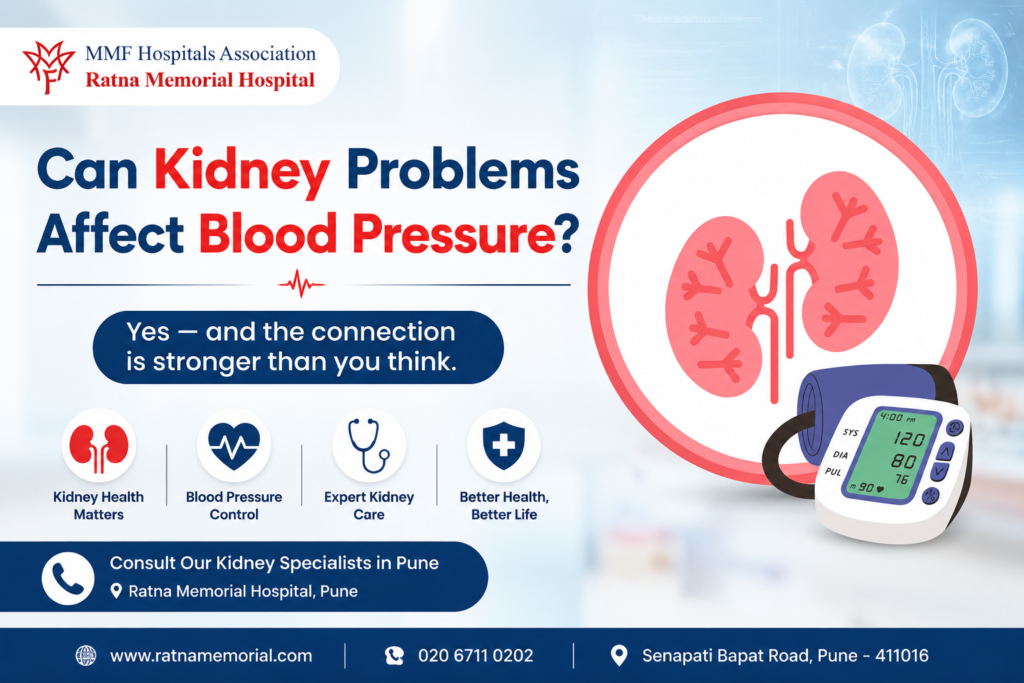
Can Kidney Problems Affect Blood Pressure? Understanding the Kidney-Heart Connection

High blood pressure (hypertension) and kidney disease are closely connected. Many people are surprised to learn that unhealthy kidneys can raise blood pressure, while uncontrolled blood pressure can also damage the kidneys over time. This creates a harmful cycle that, if left untreated, may lead to chronic kidney disease (CKD) or even kidney failure. At Ratna Memorial Hospital, our experienced kidney specialists in Pune provide comprehensive diagnosis, treatment, and preventive care for all types of kidney disorders, helping patients protect both their kidney and heart health. How Do Kidneys Control Blood Pressure? Your kidneys play a vital role in regulating blood pressure by: Removing excess salt and water from the body Maintaining the balance of fluids and electrolytes Producing hormones that help control blood pressure When the kidneys are not functioning properly, they may retain extra fluid and sodium, causing blood pressure to rise. Can Kidney Disease Cause High Blood Pressure? Yes. Damaged kidneys are less effective at filtering waste and excess fluids. This leads to: Fluid retention Increased pressure on blood vessels Hormonal imbalance affecting blood pressure regulation As a result, many patients with chronic kidney disease develop hypertension. Can High Blood Pressure Damage the Kidneys? Absolutely. Uncontrolled high blood pressure can: Damage tiny blood vessels in the kidneys Reduce kidney function over time Increase the risk of chronic kidney disease Lead to kidney failure if untreated Early diagnosis and proper treatment can help prevent permanent kidney damage. Common Symptoms of Kidney Problems Kidney disease may not show symptoms in its early stages. However, warning signs include: Swelling in feet, ankles, or face Frequent or reduced urination Blood in urine Persistent fatigue Loss of appetite High blood pressure that is difficult to control Who Is at Higher Risk? You may have a higher risk of kidney disease if you: Have high blood pressure Have diabetes Have a family history of kidney disease Are overweight Smoke Are above 60 years of age How Kidney Problems Are Diagnosed Our kidney specialists may recommend: Blood tests Urine analysis Kidney function tests Ultrasound Blood pressure monitoring Early screening helps identify kidney disease before serious complications develop. Kidney Treatment in Pune At Ratna Memorial Hospital, we offer: Kidney disease evaluation Hypertension management Chronic kidney disease treatment Kidney stone management Dialysis services Preventive kidney health check-ups Personalized treatment plans Tips to Protect Your Kidneys Keep your blood pressure under control. Manage diabetes effectively. Reduce salt intake. Stay hydrated. Exercise regularly. Avoid smoking and excessive alcohol. Schedule regular kidney check-ups if you’re at risk. When Should You Visit a Kidney Specialist in Pune? Consult a kidney specialist in Pune if you experience: Persistent high blood pressure Swelling in the body Changes in urination Abnormal kidney function test results Diabetes with kidney-related symptoms Early medical care can significantly slow kidney disease progression and improve long-term health outcomes. Conclusion Kidney health and blood pressure are closely linked. Taking timely action can help prevent serious complications affecting both your kidneys and heart. If you have high blood pressure or symptoms of kidney disease, seek expert evaluation without delay. For expert kidney treatment in Pune, trust the experienced kidney specialists at Ratna Memorial Hospital for comprehensive diagnosis, advanced treatment, and compassionate care.

Can Kidney Problems Affect Blood Pressure? Understanding the Kidney-Heart Connection Read More »

Hydration for kidney health awareness by Ratna Memorial Hospital Urology Centre Pune.

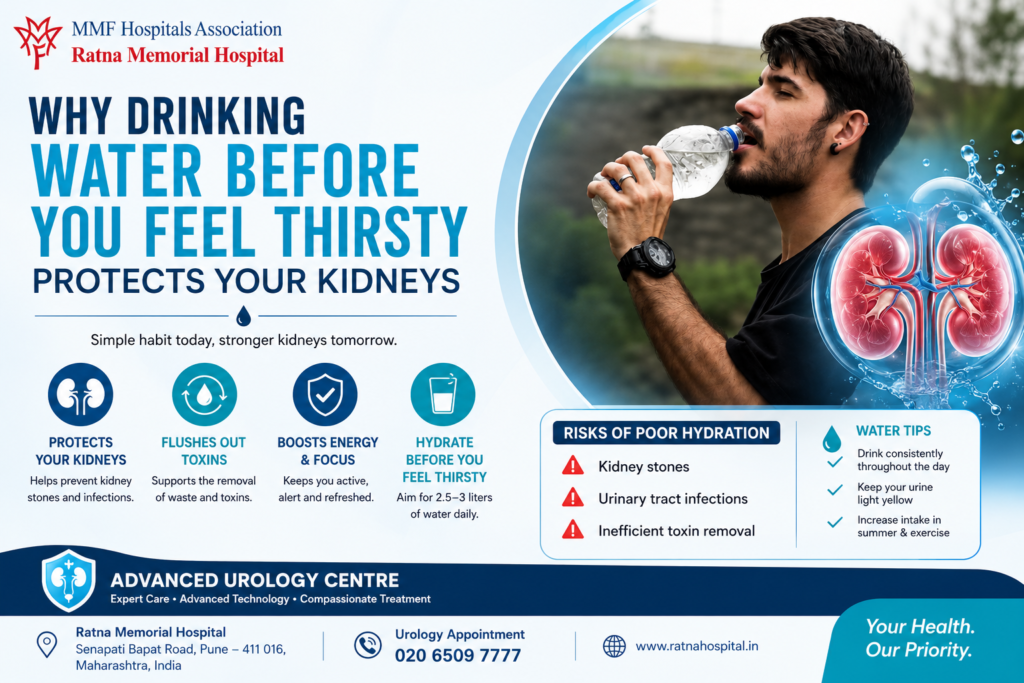
Hydration and Kidney Health: Why Drinking Water Before You Feel Thirsty Matters

Water is one of the most essential elements for maintaining good health, yet many people only drink water when they feel thirsty. What many don’t realize is that thirst is often a late sign of dehydration. By the time you feel thirsty, your body may already be experiencing fluid deficiency, which can affect several vital functions—including the health of your kidneys. At Ratna Memorial Hospital‘s Advanced Urology Centre in Pune, our specialists frequently treat patients with kidney-related conditions that can be aggravated by inadequate hydration. Understanding the importance of drinking enough water can help protect your kidneys and support overall well-being. Why Is Hydration Important for Your Kidneys? Your kidneys play a critical role in filtering waste products, balancing body fluids, and maintaining healthy blood pressure. Adequate water intake helps the kidneys function efficiently by flushing out toxins and waste through urine. When you don’t drink enough water, your kidneys have to work harder to concentrate urine and eliminate waste. Over time, this extra stress can increase the risk of developing various urinary and kidney-related conditions. Health Risks of Dehydration 1. Kidney Stones One of the most common consequences of inadequate hydration is the formation of kidney stones. When urine becomes highly concentrated, minerals and salts can crystallize and form stones. Drinking enough water helps dilute urine and reduces this risk. 2. Urinary Tract Infections (UTIs) Water helps flush bacteria from the urinary tract. Insufficient hydration may allow bacteria to multiply, increasing the likelihood of urinary tract infections. 3. Reduced Toxin Elimination Your body relies on water to remove waste products effectively. Dehydration can slow down this process, making it harder for the kidneys to filter and eliminate toxins efficiently. 4. Fatigue and Reduced Concentration Even mild dehydration can affect energy levels, mood, and concentration. Maintaining adequate hydration supports better physical and mental performance throughout the day. Don’t Wait Until You’re Thirsty Many people rely solely on thirst as a reminder to drink water. However, thirst often appears after the body has already lost a significant amount of fluid. Simple Hydration Tips Drink water consistently throughout the day. Aim for approximately 2.5 to 3 liters of fluids daily, unless advised otherwise by your doctor. Increase water intake during hot weather and physical activity. Monitor urine color; pale yellow urine is generally a sign of good hydration. Include water-rich fruits and vegetables in your diet. Who Should Pay Extra Attention to Hydration? Certain individuals are more vulnerable to dehydration and kidney-related complications, including: People with a history of kidney stones Individuals suffering from recurrent UTIs Older adults Athletes and outdoor workers Patients with chronic kidney conditions If you fall into any of these categories, maintaining adequate hydration becomes even more important. Expert Urology Care at Ratna Memorial Hospital At Ratna Memorial Hospital’s Advanced Urology Centre in Pune, our experienced urologists provide comprehensive diagnosis and treatment for: Kidney stones Urinary tract infections Prostate disorders Bladder conditions Urinary incontinence Other complex urological disorders Using advanced technology and patient-centered care, our specialists ensure accurate diagnosis and effective treatment for a wide range of urological conditions. When Should You Consult a Urologist? Seek medical advice if you experience: Pain while urinating Frequent urinary tract infections Blood in urine Persistent lower abdominal or flank pain Difficulty passing urine Symptoms suggestive of kidney stones Early diagnosis and treatment can help prevent complications and improve long-term kidney health. Conclusion Healthy hydration is one of the simplest yet most effective ways to protect your kidneys. Don’t wait until you feel thirsty to drink water. Consistent hydration can reduce the risk of kidney stones, urinary tract infections, and other kidney-related complications. If you have concerns about your urinary or kidney health, consult the experts at Ratna Memorial Hospital’s Advanced Urology Centre in Pune for timely evaluation and personalized treatment. Ratna Memorial Hospital – Urology Centre in Pune📍 Senapati Bapat Road, Pune📞 020 6509 7777🌐 www.ratnahospital.in

Hydration and Kidney Health: Why Drinking Water Before You Feel Thirsty Matters Read More »

Minimally Invasive Surgery performed by Urologist in Pune at Rtana Hospital

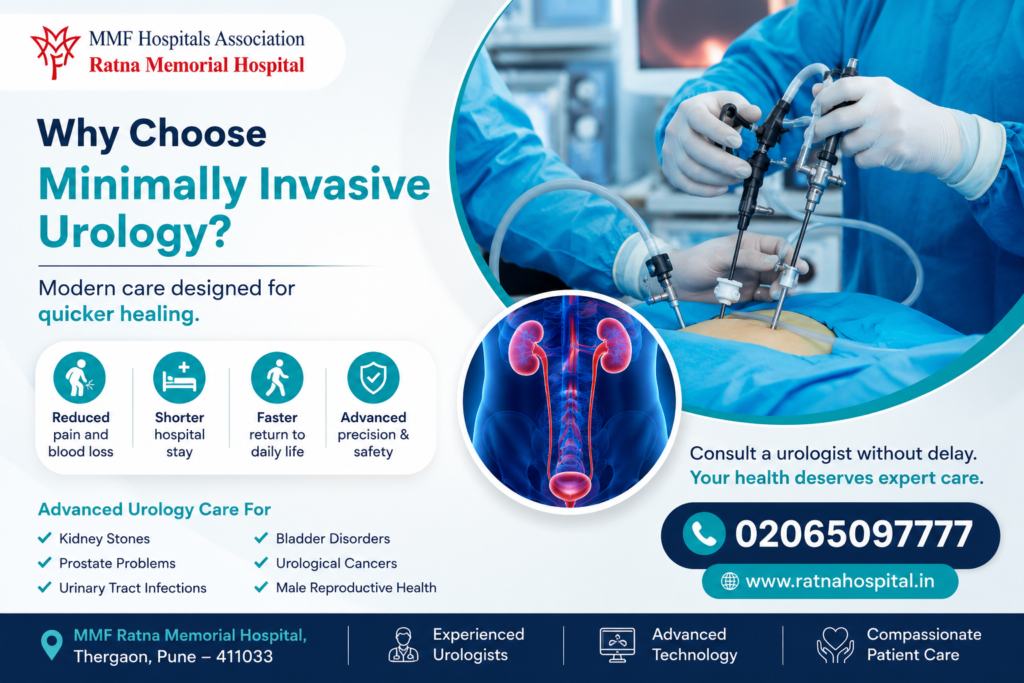
Why Minimally Invasive Urology is Transforming Patient Care in Pune

When it comes to treating kidney stones, prostate problems, urinary tract disorders, and other urological conditions, patients today are looking for treatments that are safer, less painful, and allow quicker recovery. This is where minimally invasive urology plays a major role. At MMF Ratna Memorial Hospital, advanced urology treatments are designed to help patients recover faster while minimizing discomfort and hospital stay. The hospital is recognized as one of the dedicated urology centres in Pune, offering modern surgical techniques with precision-driven care. What is Minimally Invasive Urology? Minimally invasive urology involves advanced surgical procedures performed using tiny incisions, endoscopic instruments, laser technology, or robotic-assisted techniques. Unlike traditional open surgeries, these procedures reduce trauma to the body and improve recovery outcomes. Common minimally invasive urology procedures include: Kidney stone removal (RIRS, URS, PCNL) Laser prostate surgery Bladder stone treatment Ureter and kidney surgeries Treatment for urinary tract obstruction Urological cancer procedures Modern urology departments now use advanced imaging and endoscopic systems to improve surgical precision and patient safety. Benefits of Minimally Invasive Urology Reduced Pain and Blood Loss Smaller incisions mean less tissue damage during surgery. Patients experience significantly reduced pain and lower blood loss compared to conventional surgery. Shorter Hospital Stay Many minimally invasive procedures allow patients to return home much earlier, reducing hospital stay and overall recovery stress. Faster Recovery Patients can often resume normal daily activities more quickly, making these procedures ideal for working professionals and elderly patients alike. Improved Precision and Safety Advanced laparoscopic and endoscopic technologies help uro surgeons perform procedures with greater accuracy, minimizing complications and improving treatment success. Advanced Urology Care at Ratna Memorial Hospital The Urology Department at MMF Ratna Memorial Hospital offers comprehensive diagnosis and treatment for urinary and reproductive system disorders. The center is equipped to handle both routine and complex urological conditions with advanced minimally invasive procedures. The hospital provides treatment for: Kidney stones Enlarged prostate (BPH) Urinary infections Bladder disorders Male reproductive health conditions Urological cancers The experienced team of urologist in Pune focuses on patient-centric treatment with modern technology and personalized care. When Should You Consult a Urologist in Pune? You should consult a urologist in Pune if you experience: Frequent urinary infections Burning urination Blood in urine Kidney stone pain Difficulty passing urine Prostate-related symptoms Urinary incontinence Early diagnosis and timely treatment can prevent complications and improve long-term health outcomes. Trusted Urology Center in Pune For patients searching for an experienced urologist in Pune or an advanced urology centre in Pune, MMF Ratna Memorial Hospital continues to provide trusted care with modern minimally invasive techniques and advanced surgical expertise. To book a consultation, visit Ratna Memorial Hospital or call 02065097777.

Why Minimally Invasive Urology is Transforming Patient Care in Pune Read More »

Urology Centre in Pune explaining urine color changes, urinary infections, kidney stones and urinary health signs

Your Urine Can Reveal Important Health Signs

Changes in urine are often the body’s early warning signs of underlying urinary or kidney-related conditions. While many people ignore symptoms like cloudy urine, strong odor, or frequent urination, these changes may indicate infections, kidney stones, bladder disorders, or other urological problems. At Ratna Memorial Hospital Pune, patients receive expert diagnosis and advanced treatment for a wide range of urological conditions. As a trusted urology hospital in Pune, the hospital offers comprehensive care with experienced specialists and modern technology. Common Urine Changes You Should Never Ignore 1. Burning During Urination A burning sensation while urinating is commonly linked to urinary tract infections (UTIs), bladder infections, or kidney stones. Delayed treatment may lead to worsening infection. 2. Blood in Urine Blood in urine should never be ignored. It may indicate kidney stones, urinary tract infections, bladder conditions, or kidney-related disorders. 3. Frequent Urination Frequent urges to urinate, especially at night, can sometimes be associated with bladder issues, prostate enlargement, diabetes, or urinary infections. 4. Dark or Cloudy Urine Dark, cloudy, or foamy urine may signal dehydration, infection, or kidney-related problems requiring medical attention. 5. Strong Urine Odor Persistent foul-smelling urine can occur due to bacterial infections, dietary changes, or metabolic conditions. How Urine Reflects Your Health Urine contains waste products filtered by the kidneys, making it an important indicator of overall health. Changes in urine color, odor, frequency, or appearance may help detect: Urinary tract infections (UTIs) Kidney stones Kidney disease Bladder disorders Diabetes-related complications Prostate conditions Early diagnosis can help prevent complications and ensure faster recovery. Advanced Urology Care at Ratna Hospital Pune Ratna Memorial Hospital Pune is recognized as a trusted urology hospital in Pune offering comprehensive care for urinary and kidney-related conditions. The hospital provides: Kidney stone treatment UTI management Prostate care Bladder disorder treatment Male reproductive health services Minimally invasive urology procedures The hospital’s experienced specialists focus on accurate diagnosis and personalized treatment plans for better patient outcomes. When Should You Visit a Urology Hospital in Pune? You should consult a urologist in Pune if you experience: Pain or burning during urination Blood in urine Frequent urinary infections Difficulty passing urine Lower abdominal pain Persistent urine odor Changes in urine color or consistency Seeking timely medical care can prevent serious complications and improve quality of life. Why Choose Ratna Memorial Hospital Pune? As a leading urology hospital in Pune, Ratna Memorial Hospital combines advanced technology, experienced doctors, and patient-focused care under one roof. The hospital’s urology department is equipped to manage both routine and complex urinary tract conditions efficiently. Book Your Appointment If you notice unusual urinary symptoms, consult the specialists at Ratna Memorial Hospital Pune for expert evaluation and treatment. 📞 020 6509 7777🌐 www.ratnahospital.in

Your Urine Can Reveal Important Health Signs Read More »