
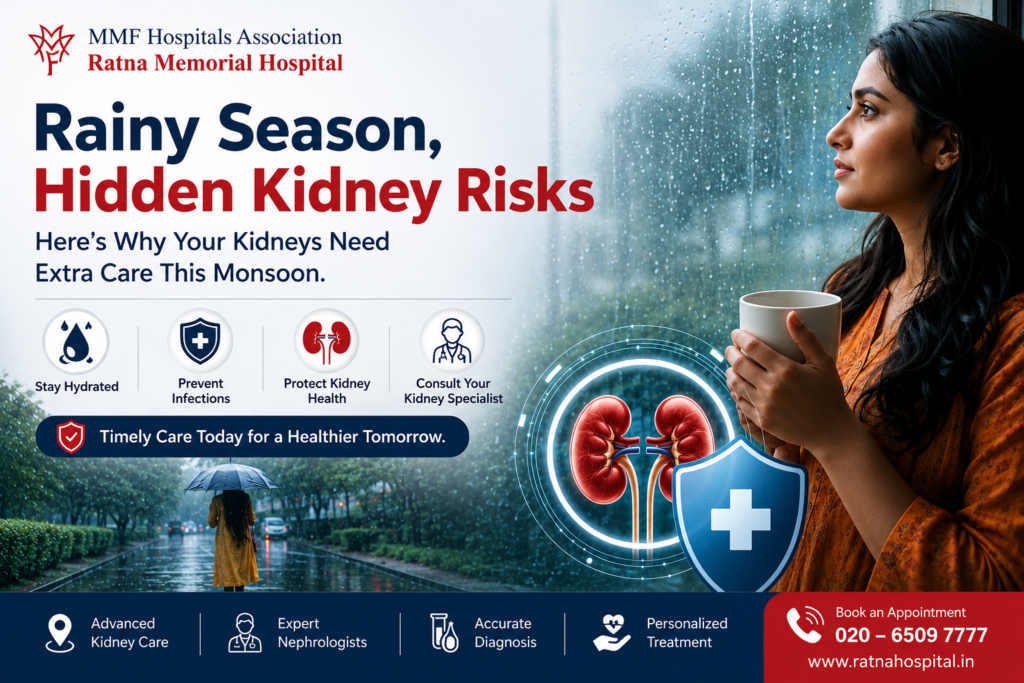
The rainy season brings relief from the summer heat, but it also creates conditions that allow bacteria and viruses to thrive. While most people focus on seasonal illnesses like colds and dengue, kidney infections often go unnoticed until they become serious. A simple urinary tract infection (UTI), if ignored, can spread to the kidneys and lead to severe health complications.
Staying hydrated, maintaining good hygiene, and seeking timely medical care are essential during the monsoon. If you experience symptoms such as fever, back pain, or painful urination, consulting a kidney specialist in Pune can help prevent long-term kidney damage. At Ratna Memorial Hospital, experienced nephrologists in Pune provide comprehensive diagnosis and advanced kidney treatment in Pune for patients of all ages.
Why Does the Rainy Season Increase the Risk of Kidney Infections?
Monsoon weather creates an ideal environment for bacterial growth. Many people also tend to drink less water during cooler weather, leading to concentrated urine and reduced flushing of bacteria from the urinary tract. If bacteria remain in the urinary system, they can travel from the bladder to the kidneys, causing a kidney infection, also known as pyelonephritis.
Several factors contribute to the increased risk during the rainy season, including:
- Reduced water intake
- High humidity that promotes bacterial growth
- Poor personal hygiene
- Contaminated drinking water
- Delayed treatment of urinary tract infections
- Weakened immunity
- Diabetes or existing kidney disease
Taking preventive measures can significantly reduce the chances of developing a kidney infection.
What Is a Kidney Infection?
A kidney infection is a serious bacterial infection affecting one or both kidneys. It usually begins as a urinary tract infection and spreads upward if not treated promptly. Unlike a simple bladder infection, a kidney infection requires immediate medical attention because it can permanently damage the kidneys or spread to the bloodstream.
Early diagnosis by an experienced nephrologist in Pune can help prevent complications and ensure faster recovery.
Symptoms You Should Never Ignore
Recognizing the warning signs early is crucial. Common symptoms include:
- High fever with chills
- Pain in the lower back or side
- Burning sensation while urinating
- Frequent or urgent need to urinate
- Cloudy or foul-smelling urine
- Blood in the urine
- Nausea and vomiting
- Fatigue and weakness
If these symptoms persist for more than a day or worsen, seek immediate kidney treatment in Pune.
Who Is More Likely to Develop Kidney Infections?
Although anyone can develop a kidney infection, certain groups have a higher risk.
These include:
- Women with recurrent UTIs
- People with diabetes
- Patients with kidney stones
- Pregnant women
- Elderly individuals
- People with weakened immune systems
- Individuals with urinary tract abnormalities
Regular health check-ups and early treatment can help prevent serious kidney complications.
How Are Kidney Infections Diagnosed?
Accurate diagnosis is essential for effective treatment. Depending on your symptoms, your doctor may recommend:
- Urine routine examination
- Urine culture to identify bacteria
- Blood tests
- Kidney function tests
- Ultrasound of the kidneys
- CT scan in complex cases
These investigations help determine the severity of the infection and guide the most appropriate treatment plan.
Kidney Infection Treatment
Treatment depends on the severity of the infection and the patient’s overall health.
Common treatment options include:
- Antibiotic medications
- Intravenous antibiotics for severe infections
- Pain relief medications
- Adequate hydration
- Treatment of kidney stones or urinary obstruction if present
- Follow-up urine tests to confirm complete recovery
At Ratna Memorial Hospital, patients receive personalized care from experienced kidney specialists using modern diagnostic facilities and evidence-based treatment protocols.
Tips to Protect Your Kidneys During the Rainy Season
Healthy habits can greatly reduce your risk of kidney infections.
Drink Plenty of Water
Even if you don’t feel thirsty during the rainy season, drink enough clean water to help flush bacteria from the urinary tract.
Never Ignore Urinary Symptoms
Burning during urination, frequent urination, or pelvic discomfort should be evaluated promptly before the infection spreads to the kidneys.
Maintain Good Personal Hygiene
Keeping the urinary area clean and dry helps reduce bacterial growth.
Avoid Holding Urine
Delaying urination allows bacteria to multiply in the bladder, increasing the risk of infection.
Eat a Balanced Diet
A diet rich in fruits, vegetables, whole grains, and protein supports your immune system and overall kidney health.
Control Diabetes and Blood Pressure
Proper management of diabetes and hypertension helps reduce the risk of kidney disease and infections.
Schedule Regular Kidney Check-ups
People with existing kidney disease, diabetes, or recurrent UTIs should have regular evaluations by a kidney specialist in Pune.
When Should You Consult a Nephrologist in Pune?
Do not delay medical attention if you experience:
- Fever with urinary symptoms
- Severe back or flank pain
- Blood in urine
- Recurrent urinary tract infections
- Swelling in the legs or face
- Reduced urine output
- Persistent burning during urination
Early treatment can prevent kidney damage and reduce the risk of hospitalization.
Why Choose Ratna Memorial Hospital for Kidney Treatment in Pune?
Ratna Memorial Hospital is committed to providing comprehensive kidney care with a patient-first approach. Our experienced nephrologists in Pune diagnose and treat kidney infections, chronic kidney disease, kidney stones, electrolyte disorders, hypertension-related kidney problems, and other renal conditions using advanced medical technology.
From early diagnosis to personalized treatment and long-term follow-up, our team focuses on helping patients achieve better kidney health and improved quality of life.
Conclusion
The rainy season increases the risk of kidney infections, but timely care and preventive measures can protect your health. Staying hydrated, maintaining good hygiene, and treating urinary tract infections early are simple yet effective ways to reduce your risk. If you notice symptoms such as fever, painful urination, back pain, or blood in the urine, consult a qualified nephrologist in Pune without delay.
At Ratna Memorial Hospital, our experienced kidney specialists provide advanced kidney treatment in Pune with compassionate, patient-centered care. Early diagnosis and expert treatment are the keys to preventing complications and keeping your kidneys healthy throughout the monsoon and beyond.