
Why Do Some People Get Kidney Stones Again and Again?
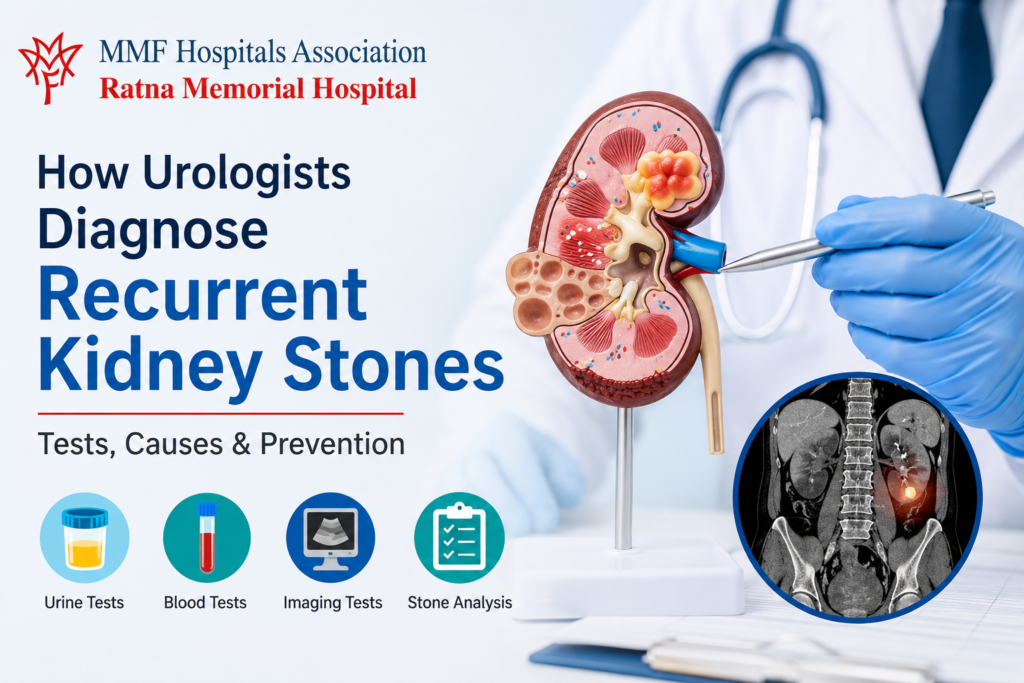
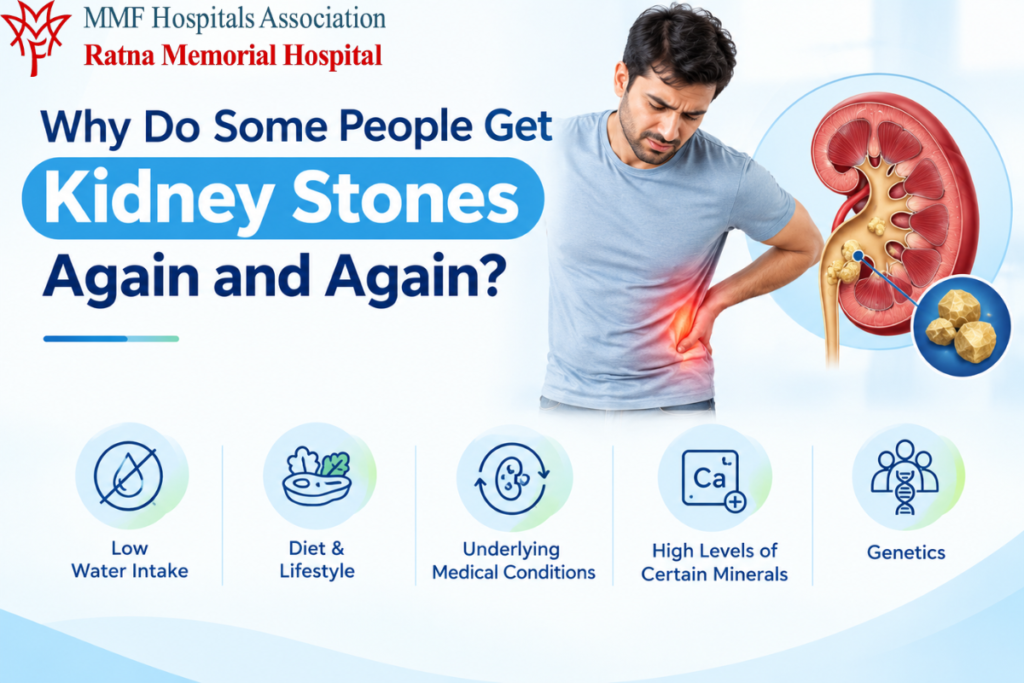
Kidney stones are a common urinary health problem that can cause severe pain, discomfort, and difficulty passing urine. While some people experience kidney stones only once, others develop them repeatedly, even after successful treatment. If you have experienced kidney stones more than once, you may wonder why they keep returning. The answer often lies in a combination of dehydration, dietary habits, genetics, metabolic conditions, and underlying medical problems. At Ratna Hospital, Pune, we believe that understanding the causes of recurrent kidney stones is an important step towards prevention and long-term kidney health. What Are Recurrent Kidney Stones? Kidney stones are hard deposits of minerals and salts that form inside the kidneys. They develop when certain substances in urine become highly concentrated and begin forming crystals. Recurrent kidney stones occur when a person develops new stones after previously passing a stone or receiving treatment. Even after a kidney stone is removed, the factors responsible for its formation may still be present. This is why treatment should focus not only on removing existing stones but also on identifying and managing the causes of recurrence. 5 Common Reasons Why Kidney Stones Keep Coming Back 1. Not Drinking Enough Water Dehydration is one of the most common risk factors for kidney stone formation. When you drink insufficient water, your urine becomes concentrated. This makes it easier for minerals such as calcium, oxalate, and uric acid to form crystals. People who work outdoors, sweat excessively, or live in hot climates may have a higher risk of dehydration. Prevention tip: Drink enough fluids throughout the day to maintain pale-yellow urine. Many people with recurrent stones are advised to produce approximately 2.5 litres of urine daily, although fluid requirements vary depending on health conditions and medical advice. 2. Dietary Habits and Lifestyle Your daily food choices can influence the risk of developing kidney stones. Certain dietary habits may increase stone formation, including: Eating too much salt or sodium-rich packaged food. Consuming excessive animal protein. Frequently eating large amounts of oxalate-rich foods, particularly if you form calcium oxalate stones. Taking high-dose vitamin C or calcium supplements without medical guidance. Consuming too many sugary beverages. However, avoiding calcium completely is not recommended. Normal dietary calcium intake can help reduce the absorption of oxalate in the digestive system. Prevention tip: Follow a balanced diet, limit excess salt, and discuss stone-specific dietary changes with your doctor. 3. Underlying Medical Conditions Sometimes, recurrent kidney stones are associated with medical conditions that affect the body’s mineral balance or urine chemistry. These may include: Hyperparathyroidism: Increased parathyroid hormone activity can raise calcium levels and contribute to stone formation. Gout: High uric acid levels may increase the risk of uric acid stones. Obesity and metabolic disorders: These can influence urinary chemistry and increase stone risk. Recurrent urinary tract infections: Certain bacteria can contribute to infection-related stones. Digestive disorders: Conditions causing chronic diarrhoea or intestinal malabsorption may increase stone formation. Identifying these conditions can help doctors recommend appropriate preventive treatment. 4. High Levels of Certain Minerals in Urine An imbalance in urine composition is another important reason kidney stones may return. Some people naturally excrete higher amounts of calcium, oxalate, or uric acid through urine. Low levels of citrate, a substance that helps prevent crystals from developing, can also increase stone risk. A 24-hour urine test may help identify these abnormalities, especially in patients with repeated stone episodes. Depending on the results, doctors may recommend dietary changes, medication, or additional investigations. 5. Family History and Genetics If kidney stones run in your family, you may have an increased risk of developing them. Certain inherited conditions can affect how the kidneys process minerals and other substances. For example, cystinuria is a rare inherited condition that can cause repeated cystine stone formation. Although genetic factors cannot always be changed, early evaluation and preventive care can help reduce the risk of future stones. What Are the Symptoms of Recurrent Kidney Stones? Kidney stones do not always cause symptoms. Small stones may remain unnoticed until they move into the urinary tract. Common symptoms include: Severe pain in the back, side, or lower abdomen. Pain that spreads towards the groin. Blood in the urine. Burning or discomfort during urination. Frequent urge to urinate. Nausea or vomiting. Important: Fever or chills along with suspected kidney stone symptoms may indicate an infection, particularly if urine flow is obstructed. This requires urgent medical assessment. How Are Recurrent Kidney Stones Diagnosed? At Ratna Hospital, evaluation of recurrent kidney stones may involve reviewing the patient’s medical history, previous stone episodes, dietary habits, and relevant medical conditions. Depending on individual needs, investigations may include: Urine examination: Helps identify blood, infection, crystals, and other urinary abnormalities. Blood tests: May assess kidney function, calcium, uric acid, and other relevant parameters. Ultrasound or CT scan: Helps identify the location, size, and number of kidney stones. 24-hour urine analysis: Measures substances associated with stone formation and helps guide prevention. Stone analysis: If a stone is passed or surgically removed, laboratory analysis can identify its composition and help determine suitable preventive measures. Not every patient requires every test. The evaluation depends on their symptoms, medical history, and recurrence risk. How Can You Prevent Kidney Stones from Coming Back? Although kidney stones cannot always be prevented completely, several measures may help lower the likelihood of recurrence. Maintain adequate hydration: Drink fluids regularly, especially during hot weather or physical activity. Reduce excess salt: Limit packaged snacks, processed foods, and heavily salted meals. Maintain normal dietary calcium: Avoid unnecessary calcium restriction unless specifically advised. Choose a balanced diet: Include vegetables, fruits, whole grains, and appropriate protein portions. Maintain a healthy weight: Regular physical activity and balanced nutrition support metabolic health. Follow personalised medical advice: Some patients may benefit from medicines such as potassium citrate, thiazide diuretics, or other treatments, depending on their stone type and test results. Attend recommended follow-ups: Monitoring helps identify new stones and assess whether preventive measures are effective. Patients with kidney disease, heart failure, or fluid restrictions should discuss their
Why Do Some People Get Kidney Stones Again and Again? Read More »