
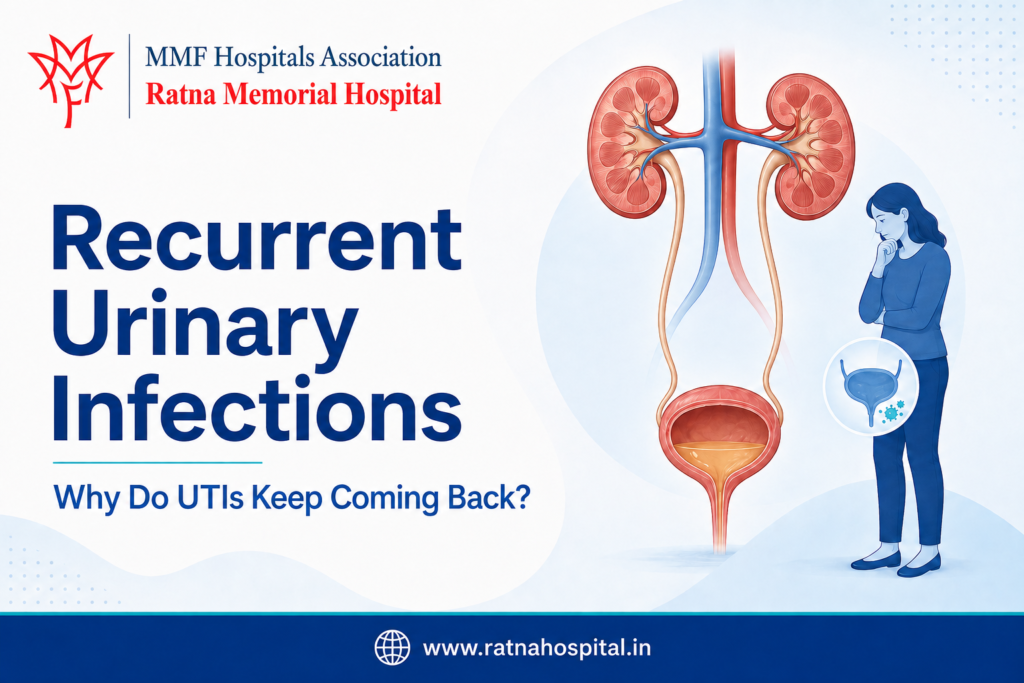
Understanding the Causes, Diagnosis and UTI Treatment in Pune
A urinary tract infection, commonly called a UTI, can cause burning during urination, frequent urges to pass urine and discomfort in the lower abdomen. Most infections improve with appropriate treatment. However, when the symptoms repeatedly return, it may indicate a recurrent urinary infection that needs a more detailed evaluation.
Taking antibiotics each time without identifying the cause may provide temporary relief but may not prevent another episode. Recurrent infections can sometimes be associated with kidney stones, incomplete bladder emptying, prostate problems, diabetes or resistant bacteria.
Consulting a specialist for UTI treatment in Pune can help determine why the infection is returning and establish a personalised plan to manage it safely.
What Is a Recurrent Urinary Infection?
A UTI develops when bacteria enter the urinary tract and multiply. The infection may affect the urethra, bladder, ureters or kidneys. According to the National Institute of Diabetes and Digestive and Kidney Diseases, bladder infections are commonly caused by bacteria and may progress to kidney infections if they are not treated appropriately.
A person is generally considered to have recurrent UTIs when they experience:
- Two or more confirmed infections within six months
- Three or more infections within one year
Recurrence does not always mean that the first treatment failed. It may be a relapse caused by the same bacteria or a new infection caused by a different organism.
Common Symptoms of Recurrent UTIs
Symptoms can vary depending on which part of the urinary tract is affected. Common warning signs include:
- Burning or pain while passing urine
- A frequent or urgent need to urinate
- Passing only small amounts of urine
- Cloudy, dark or foul smelling urine
- Lower abdominal or pelvic discomfort
- Blood in the urine
- Feeling tired or generally unwell
Fever, chills, nausea, vomiting or pain in the back or side may indicate that the infection has reached the kidneys. These symptoms require prompt medical attention.
Why Do Urinary Infections Keep Returning?
There is no single cause behind every recurrent UTI. A specialist may need to evaluate several possible factors.
Incomplete bladder emptying
Urine remaining in the bladder can create an environment where bacteria multiply. Incomplete emptying may occur due to an enlarged prostate, bladder muscle dysfunction, nerve related conditions or an obstruction within the urinary tract.
Kidney or bladder stones
Urinary stones can interfere with urine flow and may provide a surface on which bacteria persist. An infection may continue to return until the stone or obstruction is appropriately managed.
Antibiotic resistance
Using antibiotics without a urine culture, stopping treatment too early or repeatedly taking the same medicine may allow resistant bacteria to survive. This is why self medication is not advisable.
The NICE guideline on recurrent UTIs emphasises responsible antibiotic use to treat infections effectively while reducing the risk of antimicrobial resistance.
Diabetes and reduced immunity
Poorly controlled blood sugar can affect immune function and increase the amount of glucose in urine, making infections more likely. People with reduced immunity may also experience frequent or more complicated infections.
Menopause related changes
After menopause, reduced oestrogen levels can change the tissues and protective bacterial environment around the urinary tract. These changes may increase susceptibility to infection in some women.
Prostate related conditions
Recurrent UTIs in men may be associated with prostate enlargement, inflammation of the prostate or urinary obstruction. Since UTIs are less common in men, repeated episodes generally require proper urological assessment.
Other contributing factors may include low fluid intake, delaying urination for long periods, urinary catheter use, pregnancy, structural abnormalities and infection associated with intimate activity.
How Are Recurrent UTIs Diagnosed?
A proper diagnosis is important because burning or frequent urination is not always caused by a bacterial infection. Bladder pain syndrome, stones, overactive bladder and certain local infections may produce similar symptoms.
The evaluation may include:
Medical history and examination
The doctor will ask about the timing of symptoms, previous infections, medicines, underlying medical conditions, urinary habits and earlier urine culture results.
Urine routine examination and culture
A urine test can identify signs of infection. A urine culture determines which bacteria are present and which antibiotics are likely to work.
The European Association of Urology guidelines recommend urine culture when symptoms recur after treatment, fail to resolve, appear atypical or occur in people at greater risk of resistant infection.
Additional investigations
Depending on the individual’s symptoms and medical history, the doctor may recommend:
- Ultrasound of the kidneys and bladder
- Blood tests to assess kidney function or blood sugar
- Measurement of urine remaining after the bladder is emptied
- CT scan when stones or obstruction are suspected
- Cystoscopy to examine the inside of the bladder in selected cases
Extensive testing is not necessary for every patient. Investigations are selected according to age, symptoms, recurrence pattern and risk factors.
UTI Treatment in Pune for Recurrent Infections
Treatment should address both the current infection and the reason it keeps returning.
A culture guided antibiotic may be prescribed for an active bacterial infection. The choice and duration depend on the organism, previous antibiotic exposure, kidney function, pregnancy status and whether the infection is localised or has become systemic.
When an underlying condition is identified, treatment may involve controlling diabetes, improving bladder emptying, treating prostate enlargement or managing kidney and bladder stones. Preventive treatment may be considered for carefully selected patients who continue to experience confirmed infections.
Long term or repeated antibiotics should not be started without medical supervision. Preventive options must be discussed individually because their benefits and possible side effects vary from one patient to another.
Can Recurrent UTIs Be Prevented?
Some practical measures may reduce the risk of another infection:
- Drink an appropriate amount of water unless fluid restriction has been advised.
- Do not routinely delay urination for long periods.
- Empty the bladder completely and avoid rushing.
- Maintain gentle personal hygiene and avoid unnecessary harsh cleansing products.
- Manage diabetes and other long term medical conditions.
- Avoid taking leftover antibiotics or medicines suggested without testing.
- Follow the prescribed treatment course and return if symptoms persist.
Some people may ask about cranberry products, probiotics or other supplements. Evidence and suitability can differ, and these products should not replace diagnosis or prescribed treatment. Discuss them with a doctor, particularly if you are pregnant, have kidney disease or take regular medication.
When Should You Seek Urgent Medical Care?
Contact a doctor promptly if urinary symptoms are accompanied by fever, chills, vomiting, back pain, visible blood in the urine or difficulty passing urine. Pregnant women, children, older adults, men and people with diabetes, kidney disease or reduced immunity should obtain timely medical advice.
Confusion, severe weakness, rapid breathing or a significant drop in urine output may indicate a serious systemic infection and require emergency assessment.
Consult Ratna Memorial Hospital for Recurrent UTI Treatment in Pune
Recurrent urinary infections should not be managed only by repeatedly changing antibiotics. Identifying resistant bacteria, stones, urinary obstruction, bladder emptying problems or other contributing conditions is essential for reducing further episodes.
Ratna Memorial Hospital provides comprehensive urology services for urinary infections, kidney stones, bladder disorders, prostate conditions and other urinary tract problems. Patients seeking UTI treatment in Pune can receive appropriate investigations and an individualised management plan based on their symptoms and clinical findings.
This article is intended for general education and does not replace consultation with a qualified healthcare professional.
Frequently Asked Questions
1. Why does my UTI return soon after completing antibiotics?
The infection may have been caused by resistant bacteria, the medicine may not have been suitable for the organism or an underlying issue such as a urinary stone or incomplete bladder emptying may remain. A urine culture can help guide further treatment.
2. Can recurrent urinary infections damage the kidneys?
Most bladder infections do not cause permanent kidney damage when treated promptly. However, an untreated infection can sometimes spread to the kidneys. Repeated kidney infections or infections associated with urinary obstruction require timely specialist care.
3. Should I take antibiotics every time I feel burning during urination?
No. Burning can occur due to several conditions, and unnecessary antibiotics can contribute to resistance. A medical evaluation and urine testing may be needed, particularly when symptoms recur or do not improve.